
How Body Chemistry Controls Erection: The Role of Elements and Their Deficiencies
by Paul E. Bebbington, MA, MPhil, FRCPsych
Introduction
Erection is often described in simple terms as a matter of blood flow or nerve stimulation, but at a deeper level it is the outcome of a finely regulated biochemical cascade. Neural signals, endothelial function, hormonal balance, and cellular energy metabolism must align precisely for an erection to occur and be sustained. Each step in this process depends on the availability of specific molecules, enzymes, and micronutrients that support signaling, vascular relaxation, and tissue responsiveness.
When key elements are deficient or present in excess, this biochemical coordination can falter. Diet, stress, chronic inflammation, and environmental exposures all influence the internal chemistry that governs sexual function. Rather than acting as isolated triggers, nutrients and bioactive compounds shape the resilience of the systems involved in erection. This article examines how body chemistry controls erectile function, focusing on the roles of essential elements, the consequences of their imbalance, and the broader metabolic and environmental factors that modulate this sensitive physiological process.
The biochemical foundation of erection: key molecules, pathways, and signaling systems
At the molecular level, erection is governed by a tightly coordinated sequence of neurochemical, endothelial, and smooth-muscle signaling events. The process begins in the central and peripheral nervous systems, where erotic stimuli activate parasympathetic pathways originating in the sacral spinal cord. These neural signals trigger the release of nitric oxide (NO) from both endothelial cells lining penile blood vessels and nitrergic nerve endings.
Nitric oxide is the pivotal biochemical messenger of erection. Once released, it diffuses rapidly into adjacent smooth muscle cells and activates soluble guanylate cyclase, increasing intracellular levels of cyclic guanosine monophosphate (cGMP). cGMP initiates a cascade that lowers intracellular calcium concentrations, leading to smooth muscle relaxation, dilation of penile arteries, and expansion of the corpora cavernosa. Adequate erection therefore depends not only on blood flow, but on the efficiency and duration of NO–cGMP signaling. This pathway is highly sensitive to biochemical conditions. Oxidative stress, driven by excess reactive oxygen species, can inactivate nitric oxide before it exerts its effect. Endothelial dysfunction, common in metabolic syndrome, chronic inflammation, and micronutrient deficiency, reduces NO synthesis at its source. Mitochondrial health also plays a role: smooth muscle relaxation and vascular responsiveness are energy-dependent processes that rely on intact cellular metabolism.
Hormones modulate this system at multiple levels. Testosterone supports nitric oxide synthase activity, maintains penile tissue structure, and influences libido-related neural circuits. Cortisol, elevated during chronic stress, counteracts these effects by impairing endothelial function and suppressing testosterone production. Prolactin and thyroid hormones further fine-tune vascular tone and neural responsiveness, linking endocrine balance directly to erectile reliability.
Neurotransmitters such as dopamine, acetylcholine, and noradrenaline interact with these vascular mechanisms. Dopamine enhances sexual motivation and facilitates parasympathetic activation, while excessive noradrenergic (sympathetic) activity, often stress-related, constricts blood vessels and inhibits erection. Acetylcholine supports endothelial NO release, providing another biochemical bridge between neural signaling and vascular response.
Importantly, erection fails not only when a single molecule is absent, but when systemic biochemical balance is disrupted. Adequate levels of substrates, cofactors, antioxidants, and hormones are required simultaneously. This is why erectile dysfunction often emerges as an early indicator of broader metabolic or vascular compromise, rather than as an isolated genital problem. The chemistry of erection reflects the chemistry of the body as a whole.
| Molecule | Role in Erection | Deficiency | Excess |
|---|---|---|---|
| Nitric Oxide (NO) | Promotes blood vessel dilation and smooth muscle relaxation | Impaired erection | Excess vasodilation, hypotension |
| Cyclic GMP (cGMP) | Enhances blood flow to penis | Difficulty maintaining erection | Excessive muscle relaxation |
| Testosterone | Supports libido and erectile tissue function | Low libido, poor erectile function | Hormonal imbalance, aggression |
| Cortisol | Reduces nitric oxide production, impairs vascular function | Stress-related erectile dysfunction | Chronic stress, lower testosterone |
| Dopamine | Enhances sexual motivation and arousal | Reduced libido | Overstimulation, focus issues |
| Acetylcholine | Supports nitric oxide release for smooth muscle relaxation | Poor blood flow | Excessive relaxation, instability |
Micronutrients and bioactive compounds: how deficiencies and excesses affect erections
The biochemical pathways that support erection rely on a steady supply of micronutrients and bioactive compounds that act as enzyme cofactors, structural components, antioxidants, or signaling substrates. When these elements are deficient, or, less commonly, present in excess, the efficiency of erectile signaling can decline, even in the absence of overt disease.
Zinc plays a central role in male sexual biochemistry. It is required for testosterone synthesis, normal spermatogenesis, and the activity of enzymes involved in nitric oxide metabolism. Zinc deficiency has been associated with reduced testosterone levels and impaired endothelial function, both of which can weaken erectile responsiveness. Excessive zinc intake, however, may interfere with copper absorption and paradoxically disrupt vascular and neural balance.
Magnesium contributes to vascular relaxation by modulating calcium channels and supporting smooth muscle tone. It also participates in stress regulation by influencing the hypothalamic–pituitary–adrenal axis. Low magnesium levels are associated with increased vascular constriction, heightened stress reactivity, and reduced endothelial nitric oxide availability – conditions that are unfavorable for erection.
Selenium is an essential component of antioxidant enzymes such as glutathione peroxidase. Adequate selenium helps protect endothelial cells from oxidative damage that would otherwise degrade nitric oxide. Both deficiency and excess are problematic: insufficient selenium increases oxidative stress, while excess intake can be toxic and disrupt endocrine function.
Omega-3 fatty acids influence erection indirectly by improving endothelial health, reducing inflammation, and enhancing membrane fluidity in vascular and neural tissues. Diets low in omega-3s are associated with impaired vascular responsiveness and higher inflammatory burden, both of which compromise erectile reliability over time.
Among the B vitamins, several deserve particular attention. Vitamin B3 (niacin) supports energy metabolism and vasodilation; B6 is involved in neurotransmitter synthesis and hormonal regulation; B12 plays a role in nerve integrity and homocysteine metabolism. Elevated homocysteine, often linked to B-vitamin deficiency, is associated with endothelial dysfunction and reduced nitric oxide bioavailability.
Vitamin D acts as a pleiotropic hormone rather than a simple vitamin. Its receptors are expressed in endothelial cells, smooth muscle, and reproductive tissues. Low vitamin D levels have been associated with endothelial dysfunction, inflammation, and lower testosterone concentrations, creating a biochemical environment less conducive to erection.
L-arginine is the direct precursor of nitric oxide and is often discussed in the context of supplementation. While adequate dietary arginine is necessary for NO synthesis, supplementation does not reliably overcome endothelial dysfunction if oxidative stress or enzyme impairment is present. In such cases, arginine may be diverted into competing metabolic pathways, limiting its effectiveness.
Ginkgo biloba is proposed to enhance blood flow through effects on platelet aggregation and vascular tone, but evidence for its benefit in erectile dysfunction remains mixed. Any potential effects are modest and highly context-dependent.
Finally, iodine, through its role in thyroid hormone synthesis, influences metabolism, vascular tone, and energy balance. Both hypothyroidism and hyperthyroidism can impair erectile function, illustrating how micronutrients can affect erection indirectly via endocrine pathways.
Overall, erectile function depends less on any single nutrient than on biochemical sufficiency and balance, shaped by diet, absorption, metabolism, and systemic health.
| Micronutrient | Role in Erection | Deficiency | Excess |
|---|---|---|---|
| Zinc | Supports testosterone synthesis and nitric oxide metabolism | Low testosterone, impaired endothelial function | Interferes with copper absorption, disrupts vascular function |
| Magnesium | Regulates smooth muscle tone, supports stress response | Increased vascular constriction, reduced NO availability | Over-relaxation of blood vessels, low blood pressure |
| Selenium | Antioxidant, protects nitric oxide from oxidative damage | Increased oxidative stress, endothelial damage | Disrupts endocrine function, toxicity |
| Omega-3 Fatty Acids | Improves endothelial health, reduces inflammation | Impaired blood flow, increased inflammation | Increased bleeding risk, reduces blood clotting |
| Vitamin B3 (Niacin) | Supports vasodilation, improves blood flow | Impaired vasodilation, reduced blood flow | Skin flushing, potential liver issues |
| Vitamin D | Supports endothelial function, modulates testosterone | Endothelial dysfunction, low testosterone | Potential calcium imbalance, kidney issues |
| L-Arginine | Precursor to nitric oxide, supports vasodilation | Reduced NO production, poor blood flow | Diverted into other pathways, ineffective if oxidative stress is high |
| Ginkgo Biloba | Enhances blood flow, reduces platelet aggregation | Poor circulation, reduced erectile function | Increased bleeding risk, interaction with medications |
Diet, metabolism, and erectile function: why what you eat matters biochemically
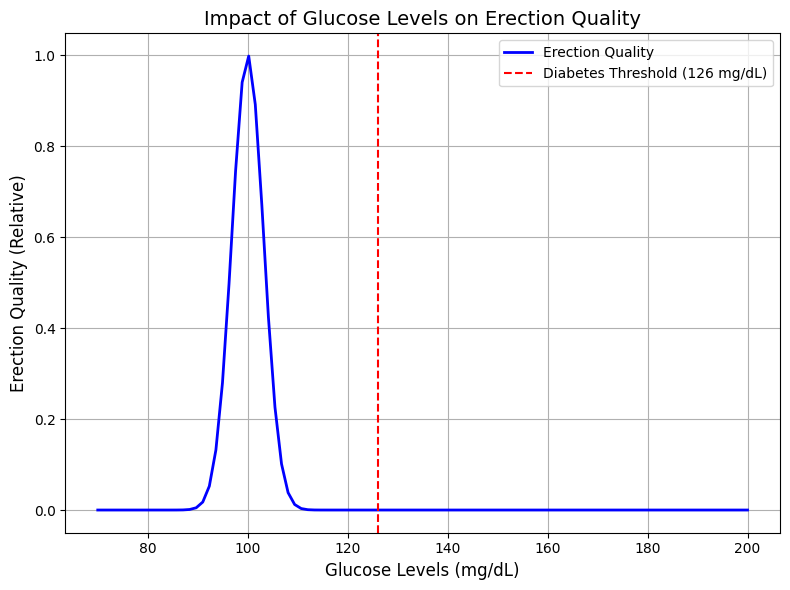 While individual nutrients play identifiable roles in erectile biochemistry, dietary patterns and metabolic context are far more influential than isolated supplements. Erection depends on endothelial integrity, mitochondrial efficiency, and low inflammatory burden, all of which are shaped cumulatively by what the body is exposed to over time.
Dietary patterns associated with insulin resistance and metabolic syndrome are particularly detrimental to erectile function. Chronically elevated blood glucose and insulin impair endothelial nitric oxide production, increase oxidative stress, and promote vascular stiffness. These biochemical changes reduce the responsiveness of penile blood vessels, even when neural signaling remains intact. Erectile dysfunction is therefore common in conditions such as type 2 diabetes and often precedes overt cardiovascular disease. Chronic low-grade inflammation is another key mediator. Diets high in ultra-processed foods, refined carbohydrates, and trans fats increase inflammatory cytokines that interfere with nitric oxide signaling and damage endothelial cells. Inflammatory states also accelerate the depletion of antioxidants and micronutrients required to neutralize reactive oxygen species, creating a self-reinforcing cycle of biochemical stress.
Nutrient absorption and utilization are equally important. Alcohol, gastrointestinal disorders, and certain medications can impair the absorption of zinc, magnesium, B vitamins, and fat-soluble vitamins such as vitamin D. Even when dietary intake appears adequate, bioavailability may be reduced, leading to functional deficiencies that affect vascular and neural systems involved in erection.
Conversely, dietary patterns rich in whole foods, unsaturated fats, fiber, and micronutrient diversity support erectile biochemistry. Such diets improve lipid profiles, reduce oxidative stress, and maintain endothelial flexibility. Omega-3 fatty acids, polyphenols, and adequate protein intake contribute to membrane integrity and enzyme function without overstimulating inflammatory pathways.
It is also important to recognize that diet interacts with psychological and environmental stressors. Chronic stress increases micronutrient turnover and alters glucose and lipid metabolism, raising nutritional requirements precisely when appetite and dietary quality may decline. Sleep deprivation further compounds these effects by disrupting hormonal regulation and insulin sensitivity.
In this context, erectile dysfunction can be understood as a metabolic signal, an early indication that vascular and biochemical systems are under strain. Addressing diet at the level of patterns and metabolic health is therefore more effective than targeting erection-specific supplements in isolation.
Stress, hormones, and environmental factors: biochemical interference with erection
Beyond diet and micronutrients, erectile biochemistry is strongly influenced by stress physiology, hormonal regulation, and environmental exposures. Chronic psychological stress alters internal chemistry in ways that are directly antagonistic to erection. Sustained activation of the hypothalamic–pituitary–adrenal (HPA) axis elevates cortisol, which suppresses nitric oxide synthesis, impairs endothelial function, and reduces testosterone production. Even when nutrient intake is adequate, this hormonal environment can blunt erectile responsiveness. The balance between testosterone and cortisol is particularly important. Testosterone supports nitric oxide synthase activity, vascular health, and neural sensitivity to erotic stimuli, while cortisol prioritizes energy mobilization and vigilance over reproduction. When stress becomes chronic, the biochemical shift favors survival physiology at the expense of sexual function.
Sleep disruption further compounds these effects. Inadequate or irregular sleep alters circadian regulation of testosterone, growth hormone, and insulin sensitivity, increasing oxidative stress and inflammatory signaling. Over time, this destabilizes the biochemical pathways required for reliable erections.
Environmental factors also play a role. Exposure to endocrine-disrupting chemicals, such as certain pesticides, plasticizers, and industrial pollutants, can interfere with hormone receptors, thyroid function, and micronutrient metabolism. Some toxins increase oxidative stress or deplete antioxidants, indirectly weakening nitric oxide signaling.
Taken together, these influences demonstrate that erection is not governed by nutrients alone, but by the biochemical context in which those nutrients operate. Stress reduction, hormonal balance, and environmental awareness are therefore integral components of maintaining erectile health.
Conclusion
Erection is the visible outcome of an invisible biochemical equilibrium. Nitric oxide signaling, vascular responsiveness, neural input, and hormonal balance all depend on adequate micronutrient availability, low oxidative stress, and stable metabolic conditions. Deficiencies in key elements such as zinc, magnesium, B vitamins, or vitamin D rarely act in isolation; instead, they reflect broader disruptions driven by diet quality, chronic stress, sleep loss, and environmental exposure. Attempts to “fix” erection through single supplements often fail because they overlook this systemic context. From a biochemical standpoint, erectile function serves as a sensitive indicator of overall physiological resilience. Supporting it therefore requires not targeted shortcuts, but sustained attention to nutrition, metabolic health, stress regulation, and hormonal balance.
References
- Esposito, K., Giugliano, F., Di Palo, C., Giugliano, G., Marfella, R., D’Andrea, F., & Giugliano, D. (2004). Effect of lifestyle changes on erectile dysfunction in obese men: A randomized controlled trial. JAMA, 291(24), 2978–2984.
https://doi.org/10.1001/jama.291.24.2978 - Pilz, S., Frisch, S., Koertke, H., Kuhn, J., Dreier, J., Obermayer-Pietsch, B., … Zittermann, A. (2011). Effect of vitamin D supplementation on testosterone levels in men. Hormone and Metabolic Research, 43(3), 223–225.
https://doi.org/10.1055/s-0030-1269854 - Liu, R. (2022). Dietary trace metal intake and the prevalence of erectile dysfunction in U.S. adults: Evidence from the National Health and Nutrition Examination Survey. Frontiers in Nutrition.
https://doi.org/10.3389/fnut.2022.974443 - Generic Viagra (Sildenafil) Online: Prices, Safe Buying, and Best Options (USA)
- Generic Levitra (Vardenafil)
- Mind-Body Integration: Combining Viagra with CBT for Psychogenic Erectile Dysfunction